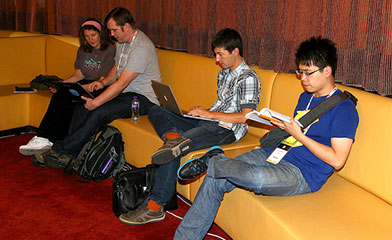
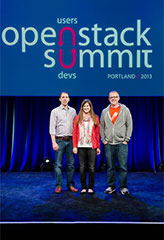
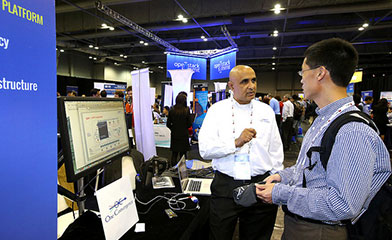
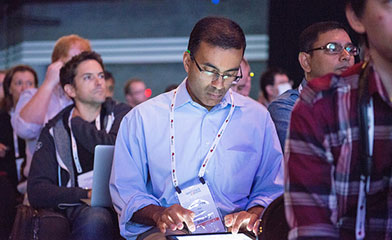
Today the OpenStack Foundation has launched a new Training Marketplace, making it easier to discover and participate in training courses offered by technology providers in the OpenStack ecosystem. Aptira, hastexo, The Linux Foundation, Mirantis, Morphlabs, Piston, Rackspace, Red Hat, SUSE and SwiftStack are the first companies to have courses available in the Marketplace, with the goal of growing the OpenStack talent pool and accelerating… Read more »
Posts Categorized: Press Release
Announcing the Gluster Connector for OpenStack
Update: Greetings! I forgot to add a friendly ‘hello’ the first time. Also, we will submit code to the OpenStack project under the Apache 2 license in the near future. The automated code is not yet available, but for now you can track progress from our resource page. You *can* get the same functionality if… Read more »
OpenStack’s Big Day at Citrix Synergy
Today at Citrix Synergy, the OpenStack project received another big boost with the announcement of Citrix Project Olympus. From the project’s website: Leveraging OpenStack, Project Olympus delivers the next generation in cloud computing – a scalable, flexible, open-by-design cloud solution that enables service providers and enterprise alike to build their own cloud services. The early… Read more »
OpenStack Plans Next Two Cloud Platform Releases at First Public Design Summit
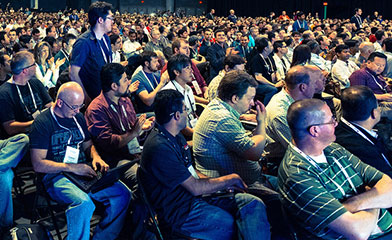
OpenStack™, an open source cloud project with broad developer and commercial support, completed its first public Design Summit last week, which attracted more than 250 people from 90 companies and 14 countries to plan the next two releases, code-named ‘Bexar’ and ‘Cactus.’ Taking place at the Weston Centre in San Antonio, Texas, the four-day event… Read more »
Stay Involved
New Entries
- April 2026 PTG Recap: The Road from Gazpacho to Hibiscus
- OpenStack Gazpacho: Built by a Global Community, Designed for Real-World Infrastructure
- Exploring OpenStack at OpenInfra Summit Europe 2025
- OpenStack Resurgence: How VMware’s Licensing Rugpull is Encouraging a Second Look
- Students of OpenStack: Meet Oria Weng!
- Students of OpenStack: Meet Boosung Kim!
- OpenStack at the April 2025 PTG: All Things ‘Epoxy’ & ‘Flamingo’
- OpenStack 2025.1 Epoxy: Strengthening OpenStack’s Position as a VMware Alternative and Enhancing Security and Hardware Enablement
- Celebrating 15 Years of OpenStack!
- OpenStack 2024 Community Progress & Highlights
Categories
- Awards
- Communication
- community
- Contest
- Development
- Documentation
- Event
- Governance
- Measurement
- Meetup
- Newsletter
- Open Mic
- OpenStack Update
- Partner
- Press Release
- Students of OpenStack
- Summit
- Technical Committee Updates
- Tools
- Uncategorized
- Video
- Webinar
- Website
- Women of OpenStack