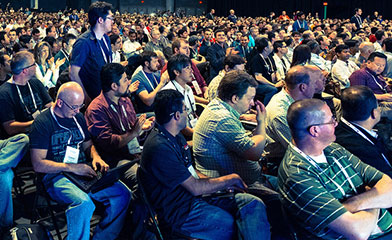
At the inaugural KubeCon + CloudNativeCon + OpenInfra Summit Asia + PyTorch Conference China, these OpenStack sessions showcase how the project continues to evolve alongside Kubernetes, AI, and modern cloud infrastructure.
From secure AI agent execution and declarative infrastructure to large-scale production migrations and bare metal automation, these talks highlight why OpenStack remains the open infrastructure platform powering the next generation of cloud and AI workloads.
Declarative Infrastructure for Modern OpenStack Clouds
As Kubernetes and OpenStack become increasingly complementary, operators are finding new ways to manage physical infrastructure with cloud native principles. Declarative Underlays: Scaling Purpose-Built Infrastructure (Clusters) for OpenStack with Cluster API explores how Cluster API can be used to provision and manage specialized GPU, networking, and storage clusters while dynamically rebalancing resources across large OpenStack environments.
AI is Changing How OpenStack is Built
Spec-Driven Evolution: How AI Agents are Rewriting the OpenStack/K8s Playbook demonstrates how AI coding agents can accelerate upstream development by transforming technical specifications into architectural proposals, production-ready code, and automated test suites for OpenStack Tacker—all while maintaining collaborative open source workflows.
Securing AI Workloads on OpenStack
As AI agents move into production, securely executing AI-generated code has become a critical challenge. Secure AI Agent Sandboxing with OpenStack Zun and Kata Containers showcases an OpenStack-native approach that combines Zun, Kata Containers, Glance, and Neutron to provide hardware-level isolation for untrusted AI workloads without sacrificing scalability or flexibility.
Optimizing Performance and Operations
Strong workload isolation is only valuable if you can observe what’s happening beneath the surface. Uncovering Hidden Bottlenecks in Kata Containers on OpenStack with Prometheus shares practical techniques for identifying CPU, memory, and I/O bottlenecks that traditional monitoring often misses, helping operators improve reliability in production environments.
Modernizing Infrastructure from Bare Metal to the Cloud
OpenStack operators will also get an early look at new capabilities in From Disk Images to Container Images: Deploying bootc to Bare Metal with Kubernetes and Ironic, which demonstrates how modern OCI-based workflows can simplify bare metal provisioning using OpenStack Ironic and Metal3.
Meanwhile, Escaping the Vendor Trap: A Journey for Migrating Legacy Infrastructure to OpenStack and K8s shares Viettel’s migration of more than 80% of its infrastructure from proprietary virtualization platforms to an open architecture built on OpenStack, Ceph, Kubernetes, and Prometheus—offering valuable lessons for organizations planning similar transformations.
Growing the Global OpenStack Community
The final OpenStack session, Redesigning OpenStack i18n for the AI Era: Weblate & Zero-GPU AI, looks beyond infrastructure to the community itself. The talk highlights the OpenStack internationalization team’s migration to Weblate, AI-assisted translation running entirely on CPUs, and how these efforts are helping make OpenStack more accessible to contributors around the world.
Join the OpenStack Community in Shanghai
Together, these sessions reflect the momentum behind OpenStack as it continues to power private clouds, AI infrastructure, edge deployments, and cloud native platforms around the world.
If you’re attending KubeCon + CloudNativeCon + OpenInfra Summit + PyTorch Conference China, be sure to add these sessions to your schedule and stop by the OpenInfra Foundation booth to meet OpenStack users, contributors, and maintainers from across the global community.